Sound Healing has become an increasingly popular wellness practice for people exploring meditation, relaxation and mindful experiences. At the centre of a sound-based session are the Sound Healing Instruments that create different tones, rhythms, textures and vibrations.
But with so many instruments available, beginners often ask: Which Sound Healing Instruments should I learn first? What is each instrument used for? And how do I choose the right instruments for a Sound Healing practice?
This guide from Healing Harmony explains the commonly used Sound Healing Instruments, their basic applications and what to consider before investing in them or joining a Sound Healing Course.
What Are Sound Healing Instruments?
Sound Healing Instruments are musical or resonant tools used to create sound as part of guided wellness, meditation or relaxation experiences.
Different instruments produce different tones and qualities of sound. Some create sustained tones, while others create rhythmic or atmospheric sounds.
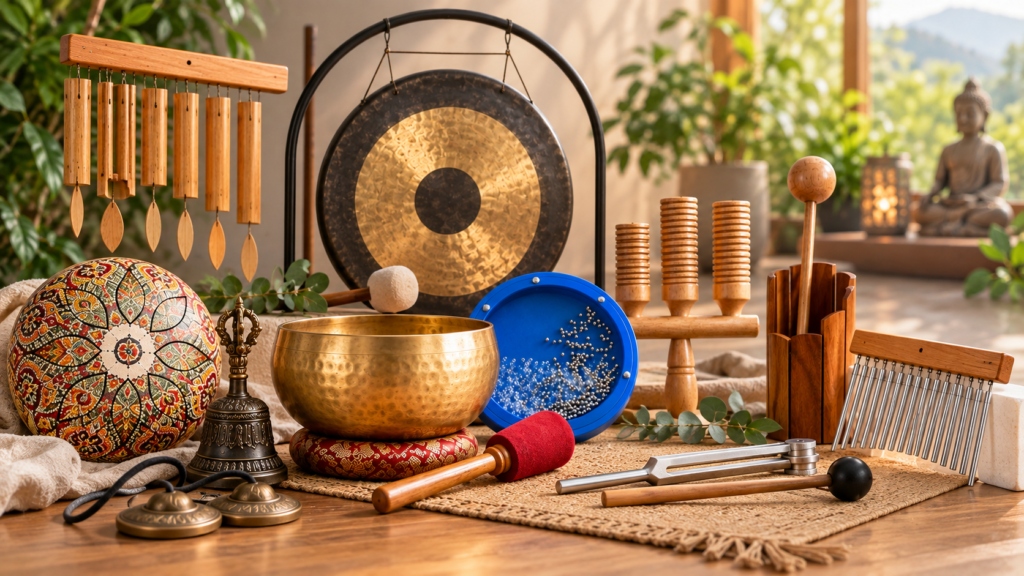
Common examples include:
- Singing bowls
- Gongs
- Tuning forks
- Chimes
- Drums
- Tibetan bells
- Tingsha
- Ocean drums
- Wooden and percussion instruments
Learning an instrument is not only about knowing how to play it. A practitioner also needs to understand how to use sound appropriately, control volume, structure a session and create a comfortable environment for participants.
1. Singing Bowls
Singing bowls are among the most recognisable Sound Healing Instruments.
They can be played by striking the bowl or gently moving a mallet around its rim to produce a sustained tone.
In a Sound Healing session, singing bowls may be incorporated into meditation, relaxation and guided sound experiences.
When learning singing bowls, beginners can explore:
- How to hold the bowl
- Different types of mallets
- Striking techniques
- Rim-playing techniques
- Sound quality and volume
- Basic session applications
Practical experience is particularly important because the same bowl can sound different depending on how it is played.
2. Gongs
Gongs are large resonant instruments capable of creating rich and layered sounds.
A gong can produce a combination of tones, overtones and changing textures depending on where and how it is played.
During Sound Healing Training, students may learn how to:
- Hold and use a gong mallet
- Control intensity
- Build sound gradually
- Create transitions
- Understand space and silence
- Use the gong within a structured session
Because gongs can produce powerful sounds, learning appropriate playing techniques and volume control is essential.
3. Tuning Forks
Tuning forks are metal instruments designed to produce a specific tone when activated.
They are frequently included in Sound Healing and sound-based wellness training because they offer a more focused sound experience than some larger instruments.
A Sound Healing Course may introduce:
- Different types of tuning forks
- Basic activation techniques
- Safe handling
- Listening and observation
- Ways to incorporate tuning forks into suitable sessions
As with other instruments, the objective should be responsible and informed use rather than making unsupported health claims.
4. Chimes
Chimes add light, clear and moving tones to a Sound Healing session.
There are different types of chimes, including hanging and bar-style chimes. Their sound can be useful during transitions, opening moments or closing moments of a session.
Learning to work with chimes involves understanding timing, movement, sound intensity and how to combine their tones with other instruments.
5. Drums and Percussion Instruments
Drums bring rhythm into sound-based practices.
Depending on the instrument and session style, drums may be used to introduce rhythmic patterns or create a more dynamic sound experience.
Other percussion instruments can also add variety, texture and movement.
For beginners, these instruments can be a useful way to understand an important principle of sound work: not every moment of a session needs to be filled with sound.
Rhythm, pauses and silence can all be part of a carefully structured experience.
6. Tibetan Bells and Tingsha
Tibetan bells and Tingsha are traditional sound-producing instruments that are often associated with meditation and contemplative practices.
Tingsha consist of two small metal cymbals connected by a cord. When struck together, they create a distinct, bright tone.
They may be used to mark transitions or bring attention to the beginning or end of a practice.
Tibetan bells can similarly add a clear, resonant tone to a meditation or sound-based session.
7. Ocean Drum and Similar Instruments
An Ocean Drum is a frame-style percussion instrument containing small particles that move across the surface and create a sound resembling flowing or moving water.
This makes it useful for creating an atmospheric sound layer within an experiential session.
Learning a variety of instruments gives practitioners more flexibility when designing a session for different groups and environments.
8. Wooden and Natural Sound Instruments
Wooden instruments can create warm, earthy tones and may include different forms of percussion or resonant tools.
Their sound can contrast nicely with metallic instruments such as singing bowls, gongs and chimes.
This is why learning a broad selection of Sound Healing Instruments can be valuable. Each instrument brings a different character to the overall sound experience.
How Many Sound Healing Instruments Do You Need?
A common question among beginners is whether they need a large collection of instruments to start.
The answer is not necessarily.
You can begin by developing a strong understanding of a few instruments and gradually expand your collection as your skills and practice develop.
The right instruments depend on:
- Your training
- Your preferred session style
- Your audience
- Your available space
- Your budget
- Your level of practical experience
More instruments do not automatically mean a better session. Knowing how to use the instruments you have is more important than simply having a large collection.
How to Choose the Right Sound Healing Instruments
Before purchasing instruments, spend time listening to them and learning about their practical use.
Start With Your Purpose
Are you interested in personal meditation, group sessions, workshops or becoming a Sound Healing Teacher?
Your goal will influence which instruments are most useful.
Listen Before You Buy
Whenever possible, hear an instrument in person. Tone, volume and resonance are experiential, so photographs and product descriptions cannot tell you everything.
Consider Quality
Look at construction, materials, finish and overall craftsmanship. A good instrument should be comfortable to handle and suitable for repeated use.
Think About Your Space
A large gong may be wonderful for a dedicated studio but may not be practical for someone working in a small room.
Learn Before You Invest Heavily
One of the best ways to understand instruments is through practical Sound Healing Training. Experiencing different instruments under trainer guidance can help you understand what suits your approach before making large purchases.
Why Practical Sound Healing Training Matters
Reading about instruments is useful, but Sound Healing is a practical skill.
During hands-on training, you can learn the difference between striking, sustaining, layering and transitioning between sounds. You can also develop awareness of volume, timing, positioning and session flow.
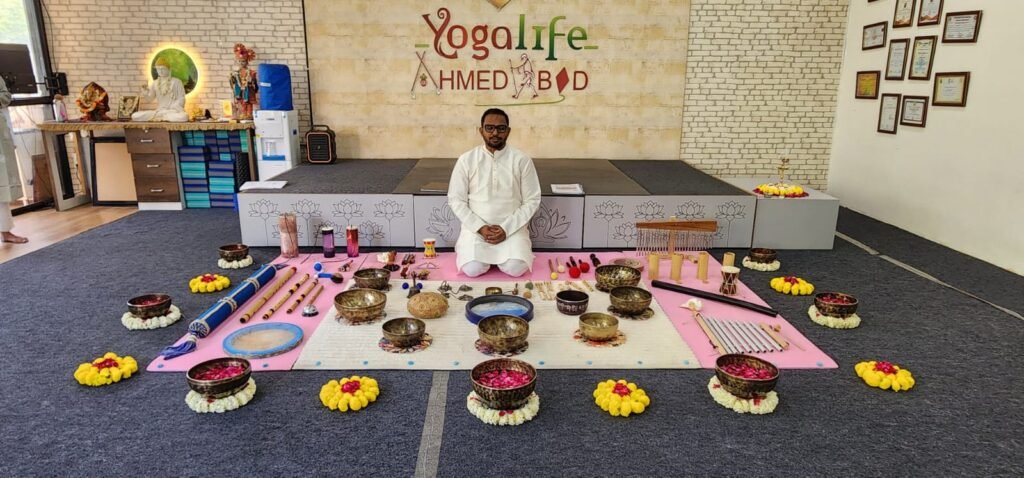
At Healing Harmony, participants in the Sound Healing Teacher Training Course receive practical exposure to 30+ Sound Healing Instruments.
This variety allows learners to explore different instrument categories rather than becoming familiar with only one or two tools.
The training is conducted by Jignesh Patel, Professional Healer and Wellness Coach, with 12+ years of experience and experience working with 5,000+ people.
Learn Sound Healing With Healing Harmony
Healing Harmony offers a Sound Healing Residential Retreat – A Teacher Training Course for people interested in learning Sound Healing through structured and practical training.
The upcoming program is scheduled for 5–7 September 2026 at Satyadhara Aashram, Indore.
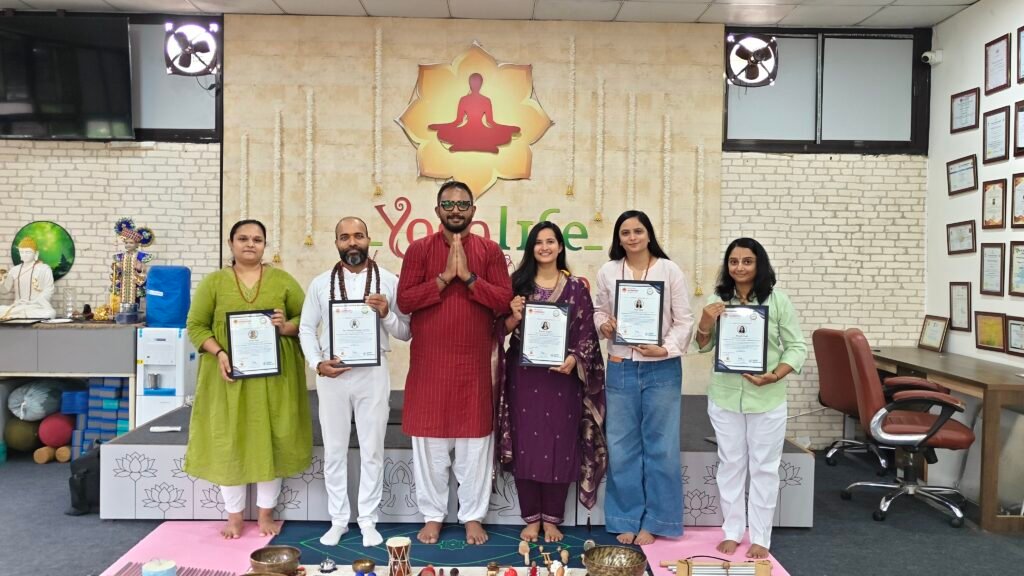
The program includes practical exposure to 30+ Sound Healing Instruments and an International Certificate, along with a residential learning environment.
Before enrolling, participants should review the complete curriculum, certification details, accommodation, fees and course expectations.
Final Thoughts
Sound Healing Instruments are much more than objects that create beautiful sounds. Each instrument has its own characteristics, playing techniques and place within a session.
Whether you are a beginner, coach, yoga teacher, wellness professional or someone curious about Sound Healing, learning how different instruments work can be the first step towards developing a thoughtful and responsible practice.
The best place to start is not by buying every instrument you see. Start by learning, listening and practising.
Explore Sound Healing Teacher Training with Healing Harmony
Learn about Sound Healing Instruments, practical techniques and session facilitation through structured teacher training.
[Explore the Healing Harmony Sound Healing Teacher Training Course →]
Frequently Asked Questions About Sound Healing Instruments
1. What are the most common Sound Healing Instruments?
Common Sound Healing Instruments include singing bowls, gongs, tuning forks, chimes, drums, Tibetan bells, Tingsha and Ocean Drums.
2. Which Sound Healing Instrument is best for beginners?
Singing bowls are often a practical starting point because they can be used for learning basic sound and playing techniques. However, the right instrument depends on your goals, budget and training.
3. Do I need to learn multiple Sound Healing Instruments?
Not necessarily. Beginners can start with one or a few instruments and gradually expand their skills and collection through practice and training.
4. Can I learn Sound Healing Instruments without taking a course?
Basic playing techniques can be explored independently, but structured Sound Healing Training can provide practical guidance, feedback and a better understanding of session structure and responsible use.
5. How do I choose the right singing bowl?
Listen to the bowl in person whenever possible and consider its sound, resonance, size, construction and how comfortable it feels to play. Your intended use should also influence your choice.
6. Are gongs difficult to learn?
Gongs require practice because sound intensity, timing and playing technique can significantly affect the experience. Hands-on instruction can help beginners develop better control.
7. How many instruments are covered in Healing Harmony’s training?
Healing Harmony’s Sound Healing Teacher Training provides practical exposure to 30+ Sound Healing Instruments, giving participants an opportunity to explore a wide range of sound tools.
8. Can coaches and wellness professionals learn Sound Healing Instruments?
Yes. Coaches, yoga teachers, trainers and wellness professionals can learn Sound Healing Instruments as an additional professional skill, provided they use the practice within their training and professional scope.